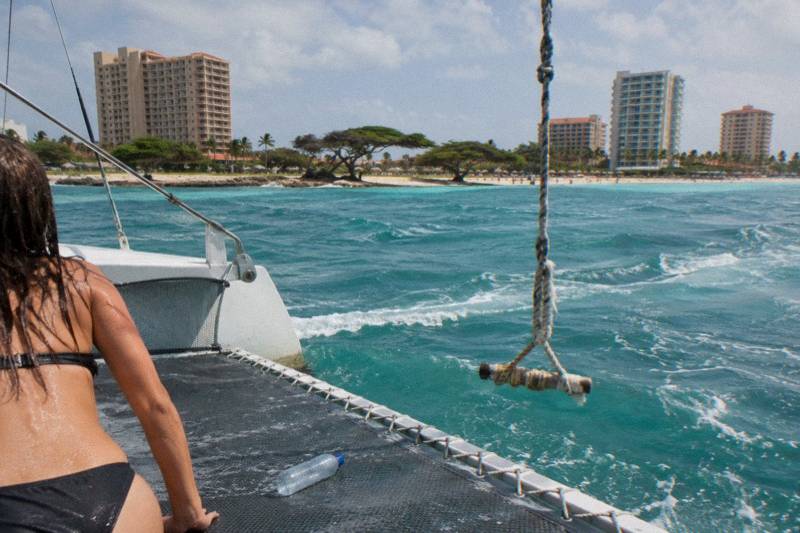
Is Snorkeling In Aruba Worth It?
An honest look at Aruba snorkeling: what you actually see, what a catamaran snorkel sail costs, and who it suits.
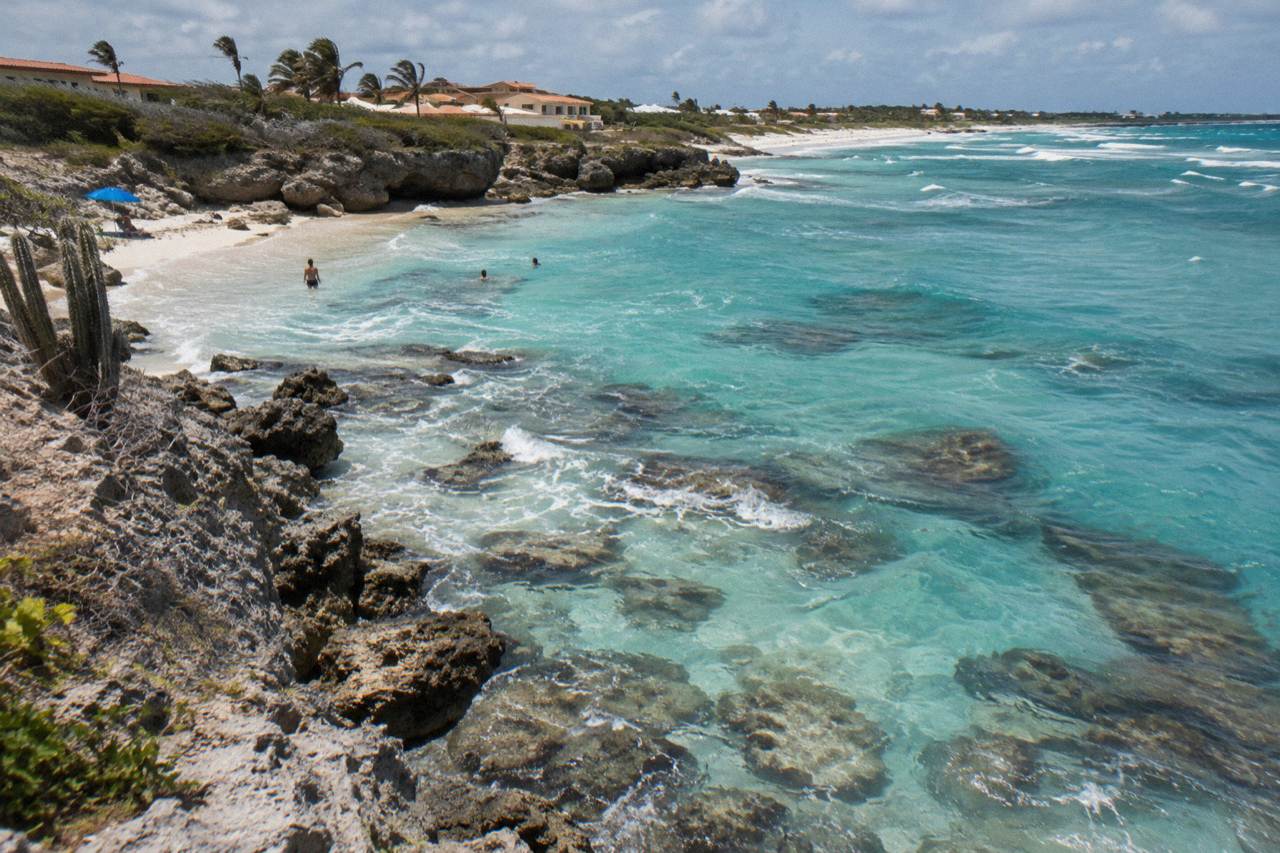
Yes, for most travelers snorkeling in Aruba is worth it, and the reason is the SS Antilla: a 398-foot German cargo ship scuttled in 1940 that now lies in shallow water reachable only by boat, alongside calm, clear coves such as Boca Catalina where turtles and reef fish gather. Shared catamaran snorkel sails run from $63 to $199 per person, gear and drinks included, which is fair value for two or three stops. If you would rather let a big operator handle the boat and gear, our breakdown of whether De Palm Tours justifies its ticket price compares that option against the same shared catamaran sails.
The honest answer depends on what you are comparing it against. If you have snorkeled the Great Barrier Reef or Bonaire's marine park, Aruba will not topple those destinations. If you are a Caribbean traveler who wants warm, calm, genuinely interesting water with almost no effort, Aruba earns its keep. Sea temperatures sit around 79 to 83 degrees Fahrenheit year round, the leeward west coast is sheltered from the trade winds, and the island sits south of the main hurricane belt, so direct storms are rare.
The snorkeling scene here splits into two halves. The first is free: shore access to spots like Boca Catalina and Arashi Beach, where you can swim out from sand with your own mask and find turtles and reef fish without a boat. The second is the boat world, and this is where Aruba separates itself. The Antilla wreck, the most famous site, sits with its shallowest parts around 15 feet below the surface and its deepest about 60 feet, on its port side, which makes it unusually approachable for casual snorkelers rather than only divers. Only boats get you there.
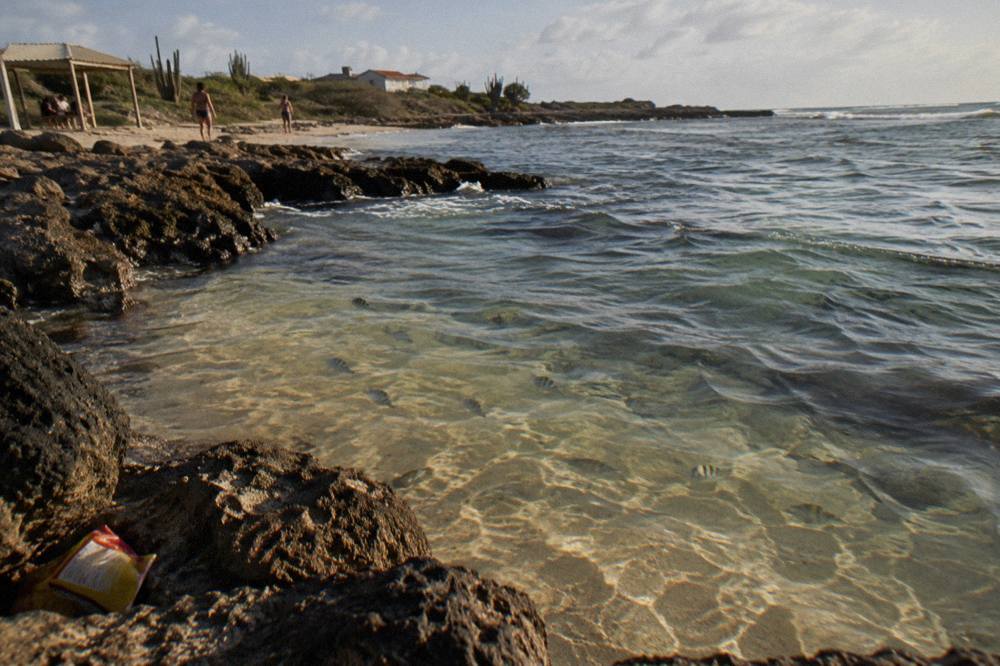
That is why most visitors end up on a catamaran snorkel sail rather than swimming from shore. A shared sail bundles the wreck, a reef or two, an open bar and gear into one three or four hour outing. Deciding between a private beach day and a catamaran sail? This Renaissance Island versus a catamaran sail comparison breaks down how the two stack up and which option gives you more for the same afternoon.
Among catamaran snorkel trips in Aruba, none has more reviews than the Dolphin Catamaran Snorkel and Sail with Open Bar, which sits at 2,894 reviews and a 4.8 rating. It runs from $69 per person and departs from the Delphi Watersports beach in front of the Hyatt Regency on Palm Beach. It is the natural first sail for a hesitant snorkeler, which is exactly the reader this question usually comes from. If you want to dig deeper into that choice first, the companion piece on choosing the best catamaran in Aruba walks through the decision step by step.
What Will You Actually See Snorkeling In Aruba?
The core sights are the Antilla shipwreck, a 1939-built German cargo ship scuttled by her own crew on May 10, 1940, plus Boca Catalina's sheltered reef, and at some sites green sea turtles, notably at Tres Trapi. Expect tropical reef fish everywhere: sergeant majors, parrotfish, blue tang. Visibility and sightings vary with sea state and day, so operators describe rather than promise what you will meet.
The Antilla is the headliner and one of the largest shipwrecks in the Caribbean. She was a Hamburg-America Line cargo vessel, 398 feet long, and her crew scuttled her when the Netherlands entered the war. Today she lies on her side off Malmok in the north of the island, shallow enough at the top that snorkelers can look down her hull from the surface. Coral and sponges have colonized the steel over eight decades, and the fish life around the structure is dense in a way open sand never is. The ship's full history and dimensions are documented separately, but on the water what matters is scale: even from above, she reads as a small sunken city.
Boca Catalina is the other half of nearly every standard itinerary. It is a shallow, protected bay where the water is typically glassy and the fish are habituated to visitors. Turtles appear here and at Tres Trapi, a small cove further south that several turtle-focused trips list as a named stop. Some operators also visit Malmok Reef, Arashi Beach, or Mangel Halto, a shallow mangrove-backed reef on the south coast that is also one of Aruba's four marine protected areas. Parke Marino Aruba, established by national decree in 2018, covers four zones totaling about 60 square kilometers, and its management plan imposes a strict no-touch policy for corals and marine life and bans anchoring on seagrass or coral. No visitor fee has been confirmed for the park.
What each listed tour actually visits varies, and the stops belong to the individual trip, not to the island in general. Here is what the main snorkel sails name:
| Tour | Duration | Stops named | Price (from) | Rating |
|---|---|---|---|---|
| Dolphin Catamaran Snorkel and Sail | ~3 hours | Antilla Shipwreck, Boca Catalina | $69 per person | 4.8 across 2,894 reviews |
| Antilla Shipwreck and Catalina Bay Snorkel Sail | ~3 hours | Antilla Shipwreck, Boca Catalina | $79 per person | 4.7 across 554 reviews |
| Half-Day Snorkel Sail Tour with Caribbean Lunch | ~4 hours | Antilla Shipwreck, Boca Catalina, Naufragio Baboo Shipwreck, Malmok Reef | $107 per person | 4.8 across 860 reviews |
| Arusun Catamaran Sail with Snorkeling | ~2 hours 30 minutes | Antilla Shipwreck, Boca Catalina, Palm Beach coast | $63 per person | 4.8 across 2,683 reviews |
| Snorkel with Turtles at WW2 Shipwreck, Sunset & BBQ | ~4 hours 30 minutes | Boca Catalina, Tres Trapi | $119 per person | 4.6 across 379 reviews |
| Morning Snorkel Sail with Champagne Brunch | ~4 hours | Antilla Shipwreck, Boca Catalina, Malmok | $85 per person | 4.7 across 2,238 reviews |
The pattern is clear: Antilla plus Boca Catalina is the standard pairing, and the differences between trips are duration, food, and extras like turtle stops or a fourth reef. One quiet pick for value is the Antilla Shipwreck and Catalina Bay Snorkel Sail, which covers the two signature stops in three hours from Piet's Pier Bar at $79 per person, rated 4.7 across 554 reviews, drinks and gear included. It suits anyone who wants the headliners without committing half a day.
If turtles are the whole point for you, choose a trip that names Tres Trapi or a turtle stop in its itinerary rather than hoping a general wreck sail detours there, because most do not. And if you are weighing Aruba against its neighbor, the comparison piece on snorkeling in Aruba versus Curacao covers the differences honestly.
How Much Does Snorkeling In Aruba Cost?
Shared catamaran snorkel tours on this island run from $63 to $124 per person, with most clustering between $65 and $95 for three to four hours including snorkel gear, an open bar, and often lunch. Free shore snorkeling at Boca Catalina or Arashi Beach costs nothing with your own gear. Private charters are a different market, from $1,399 per group and up.
The per-person figures above come from the current prices on the listed trips, and they move with season. The cheapest listed snorkel sail is the Arusun Catamaran Sail with Snorkeling at $63 per person for two and a half hours; pricier shared options include the morning Palm Pleasure sail with lunch at $124 for four hours, topped by Spronk's lobster sails at $199 per person. In between sit most of the island's best picks: the $69 snorkel cruise with open bar and light lunch, the Banana Adventure turtle swim at $65, and the long half-day lunch sail at $107 with four named stops.
What those prices buy matters as much as the number. Nearly every shared trip includes snorkel gear and an open bar, and the mid-range ones add food, which changes the economics: a $107 half-day with Caribbean lunch, open bar and four stops competes with a $79 bare-bones sail plus buying lunch on land. Free cancellation is standard across the shared trips, which lowers the risk of booking early in a week when weather might shift your plans.
The free alternative deserves respect. Shore snorkeling at Boca Catalina and sites like Arashi Beach costs nothing with your own mask, and the fish and turtle sightings there are real. The trade-off is simple: from shore you get the bays, not the wreck, and the Antilla is the single thing most people remember from snorkeling in Aruba. A reasonable budget strategy is one boat day for the wreck and reefs, plus free shore mornings elsewhere. The full cost picture, including what drives price differences, is laid out in what an Aruba catamaran tour costs.
Is Aruba Good For First-Time Snorkelers?
Yes, Aruba is one of the easier places to snorkel for the first time: the west coast is sheltered, sea temperatures of 79 to 83 degrees mean no wetsuit, and trips pair a shallow protected bay with a wreck viewed from the surface, so beginners get an easy win before the deeper stop. Crew on shared catamarans routinely coach nervous guests through mask and fins.
The structure of a standard itinerary is genuinely beginner friendly. The first stop is usually Boca Catalina or a similar bay, where you stand-up-depth water lets you sort out your mask and breathing before committing. By the time the boat reaches the Antilla, you float on the surface looking down 15 to 60 feet at the hull, which requires no diving ability at all. Snorkel gear is included on the listed trips, so a first-timer does not need to buy or pack equipment.
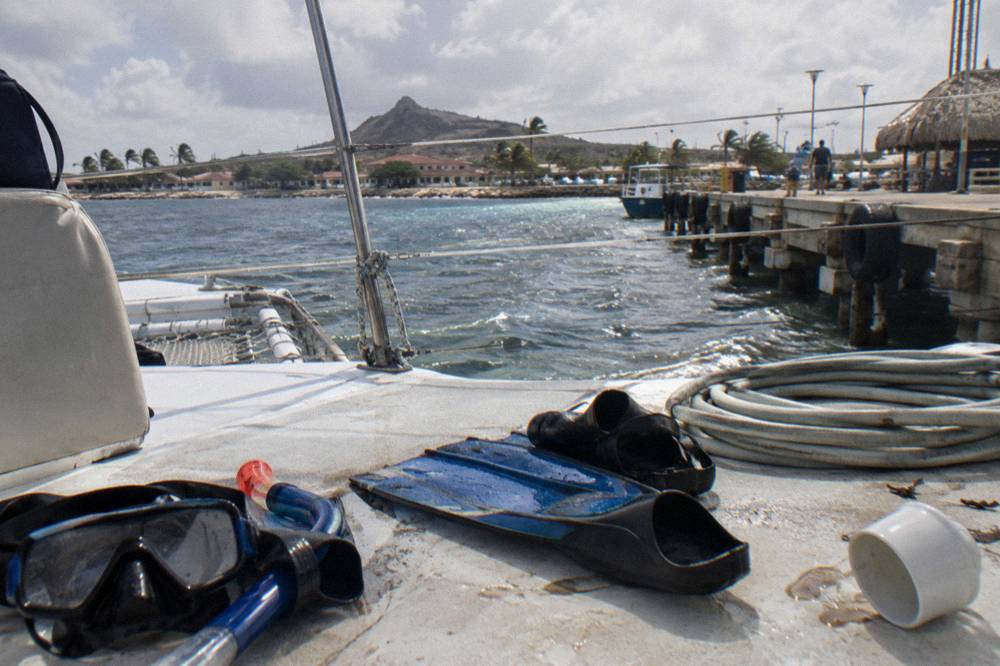
Two honest caveats. First, sea state varies, and afternoon trips can face more chop as the trade winds build; morning departures are usually the flattest and clearest, which is why many operators schedule them then. If you are nervous, book the earliest slot. Second, comfort in water is not the same as swimming skill: you will be floating with a mask, often near a boat, for stretches of time. The turtle-and-BBQ trips list a WW2 shipwreck and turtle snorkeling among their stops, with barbecue and sunset to finish, so a very hesitant swimmer may prefer a bay-first itinerary. Check the booking page for any stated age or ability limits, because these vary trip by trip and are not standardized on the island.
For anyone who worries about the boat rather than the water, the guide on feeling seasick on an Aruba catamaran covers remedies and timing, and the physics of why catamarans ride the way they do is explained in whether catamarans handle rough seas.
What Does A Day On A Snorkel Sail Actually Look Like?
A typical shared snorkel sail runs three to four hours: check-in at a Palm Beach or Oranjestad pier about 30 minutes early, a sail up the coast to the Antilla for the first in-water stop, a second stop at a bay like Boca Catalina, then an open bar and music on the return along the coast. Food, when included, is served between stops.
The day starts at one of the island's handful of departure points. Most trips board from the Palm Beach piers in Noord, along the J.E. Irausquin Blvd hotel strip: Pelican Pier, De Palm Pier, Piet's Pier Bar and the Delphi Watersports beach by the Hyatt Regency, all a short walk from the high-rise resorts and a quick taxi ride from the Oranjestad cruise terminal. Spronk's southern trips are the exception, leaving from the dock behind Lucy's Retired Surfer Bar in the Renaissance Marina area of Oranjestad. Check-in is typically 30 minutes before departure, and you bring a valid ID, reef-safe sunscreen and a towel, since towels are rarely provided on board.
On the water, the rhythm is consistent across operators. The boat motors or sails to the wreck first while conditions are calmest, the crew briefs on gear and safety, and guests enter the water in groups with a guide or lookout. Stops of about 45 minutes each are typical on the standard trips. Between and after stops, the open bar opens, the deck fills with sun, and the return leg is the social part of the day, with the Palm Beach coastline in view. Trips that include lunch or a BBQ serve it on board, and the turtle-and-BBQ sails time their return toward the late afternoon.
For a fuller picture of the whole day, including what to pack, the guide to what to bring on an Aruba catamaran is the practical checklist. The long-format option, the Half-Day Snorkel Sail Tour with Caribbean Lunch, stretches the formula to four hours and four stops, from $107 per person, rated 4.8 across 860 reviews, with a Caribbean lunch and drinks aboard.
When Is The Best Time Of Year To Snorkel In Aruba?
Aruba snorkels well year round, but the calmest seas arrive September to November, while December to April brings the driest, most reliable weather with light steady trade winds. February to July is the windier stretch, which means more surface chop on afternoon sails. Morning departures beat afternoon ones in almost every month.
Because Aruba sits south of the main hurricane belt, the June to November season that shuts down sailing elsewhere in the Caribbean rarely disrupts the island, and late October finds that season nearly over with direct impacts historically rare. The trade winds that keep the island comfortably warm also build through the day, so the flattest, clearest water is usually on the water early. If your dates are flexible and you prioritize glassy conditions, aim for the September to November window; if you prioritize dry, sunny days overall, the December to April peak fits better.
Sea temperature barely moves, holding roughly 79 to 83 degrees across the year, so no season requires a wetsuit for snorkeling. The month-by-month detail, including the wind pattern and what it means for boats, is covered in Aruba sea conditions and hurricane season and the broader best time to visit Aruba guide.
What Should You Know Before Snorkeling In Aruba?
Three local rules matter: Aruba bans sunscreens containing oxybenzone, with fines up to 10,000 Aruban florins per violation; the marine park's code of conduct forbids touching coral, feeding marine life or picking up starfish; and air arrivals need the free ED Card with a $20 sustainability fee, while most cruise passengers do not. Bring mineral sunscreen and check the booking page for anything unstated.
The sunscreen law has been in force since July 1, 2020, bundled with the single-use plastics ban, and it covers personal imports including online orders, so packing a bottle of oxybenzone lotion from home is not a loophole. Mineral formulas with zinc oxide or titanium dioxide are the recommended choice and are widely sold on the island. The law names oxybenzone only; octinoxate is not part of it.
In the water, the conduct rules are simple and enforced by operators as much as by law: no touching coral or marine life, no feeding fish or turtles, no standing on reef. Aruba's official code of conduct for visitors states these plainly, and crew on the listed trips repeat them at every briefing. The practical reason is as strong as the legal one: the reefs you are visiting are inside a protected park that exists to keep them snorkelable.
Entry logistics only affect snorkeling if you have not sorted them. Air travelers complete the free ED Card online within the week before arrival and pay a $20 sustainability fee if aged 8 or older; cruise passengers on standard itineraries usually do not need one. The details are gathered in the guide to the Aruba ED Card and entry requirements.
The Verdict: Who Should Book And Who Should Skip
Snorkeling in Aruba is worth it for anyone who wants an easy, warm-water introduction to reefs and a genuinely memorable wreck, and the catamaran format at $63 to $124 per person represents fair value with gear, drinks and often food bundled. Skip it if you dislike floating in open water or measure every destination against world-class dive sites.
For the hesitant snorkeler, the question this article's title asks usually hides a simpler one: will I be able to do it? On the standard bay-plus-wreck itinerary, the answer is yes for almost anyone willing to float. For the confident snorkeler, the four-stop half-day sail and the turtle trips add enough variety to justify the higher price points. And for the traveler who has decided snorkeling is not their thing, Aruba still offers sunset sails, dinner cruises and beach days, so skipping the mask costs you nothing on this island. Whatever you choose, Aruba Catamaran Tours keeps the full set of options, prices and departure details in one place.
If you are leaning toward booking, these three snorkel sails cover the range from quick and cheap to long and full:
Common Questions About Snorkeling In Aruba
Is Snorkeling In Aruba Worth It?
For most travelers, yes. The combination of the Antilla shipwreck, calm protected bays like Boca Catalina, year-round water temperatures of 79 to 83 degrees and shared catamaran sails from $63 to $124 per person makes Aruba one of the easier places in the Caribbean to have a genuinely rewarding snorkeling day.
Can You Snorkel In Aruba Without A Tour?
Yes. Shore snorkeling at Boca Catalina and Arashi Beach is free with your own gear, and turtles and reef fish are regularly seen from the sand. The Antilla shipwreck, the island's signature site, is reachable only by boat.
Where Is The Best Snorkeling In Aruba?
The Antilla Shipwreck off Malmok is the headline site, paired on most trips with Boca Catalina. Turtle sightings are most associated with Tres Trapi, and Mangel Halto on the south coast offers a shallow mangrove reef inside the marine park.
How Much Does A Snorkel Tour In Aruba Cost?
Shared catamaran snorkel tours run from $63 to $124 per person, typically for two and a half to four hours, with snorkel gear, an open bar and often lunch or brunch included. Private charters start higher, priced per group rather than per person.
Is Snorkeling In Aruba Good For Beginners?
Yes. Itineraries usually start at a shallow, sheltered bay before moving to the wreck, gear is included on the listed trips, and crew coach first-timers. Morning departures typically offer the calmest water.
What Sunscreen Can I Use In Aruba?
Use mineral sunscreen with zinc oxide or titanium dioxide. Aruba has banned sunscreens containing oxybenzone since July 1, 2020, including personal imports, with fines up to 10,000 florins per violation.