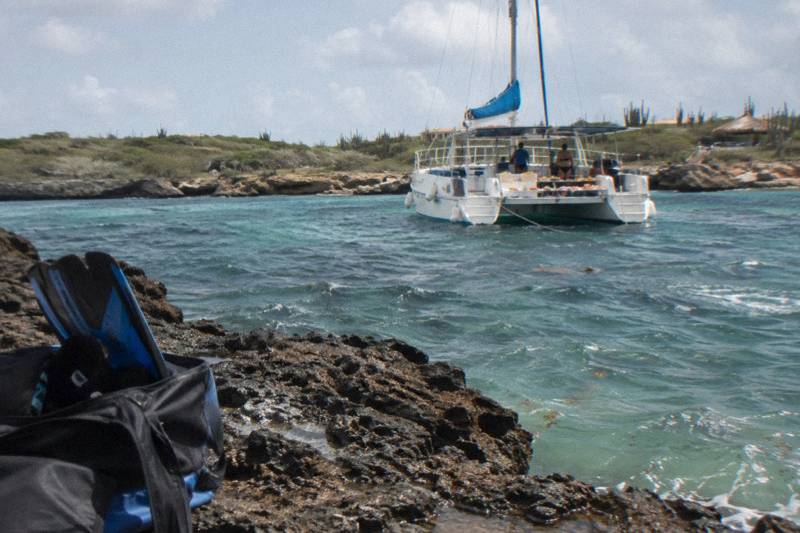
Is Snorkeling Better In Aruba Or Curacao?
A practical comparison of snorkeling in Aruba and Curacao, covering wrecks, reefs, costs, catamaran access and which island fits your style.
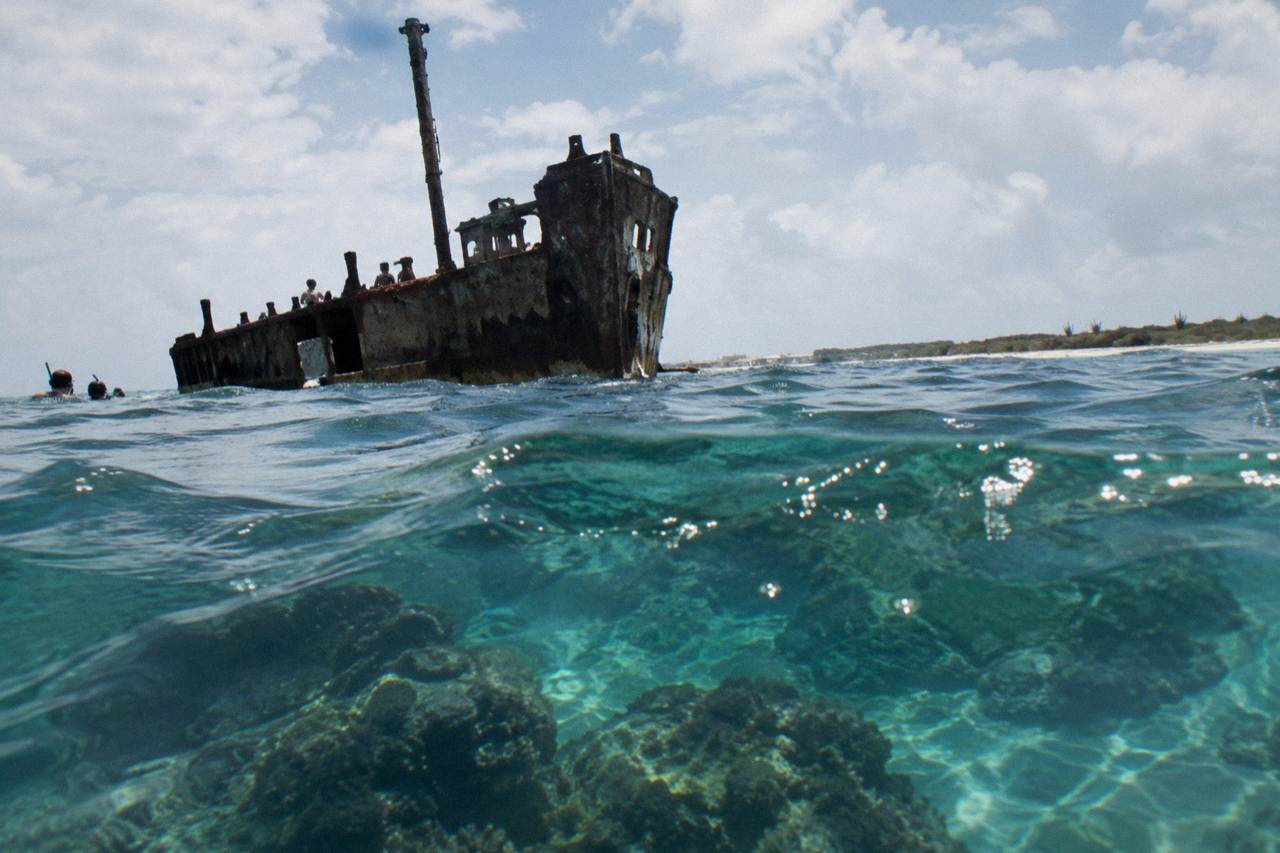
Aruba is the stronger pick if you want boat-based snorkeling built around a famous shipwreck, with catamaran trips from $63 per person and open bars on nearly every departure. Curacao suits travelers who prefer calm, sheltered bays with easy shore entry and slower days. Neither island is objectively better; they reward two different snorkeling styles. If you're leaning toward Aruba for those catamaran wreck trips, our safety guide for US citizens visiting Aruba covers what to expect before you spend a day on the water.
The honest answer depends less on water quality than on how you like to get wet. Aruba's leeward west coast is dotted with piers at Palm Beach, and the snorkel fleet there is overwhelmingly catamaran-based, which means your snorkeling day usually comes bundled with drinks, gear, crew and a sail along the coast. The signature stop is the SS Antilla, a 398-foot German cargo ship scuttled by her own crew in May 1940 and now one of the largest shipwrecks in the Caribbean, lying on her port side in water that runs from roughly 15 feet at the shallowest parts to about 60 feet at the seabed. You can read the basic history on the ship's Wikipedia entry, and it is exactly the kind of snorkel stop Curacao cannot match at the same scale.
Curacao counters with quantity and calm. The island's south coast faces away from the trade winds, and its bays are known for glassy mornings, easy beach entry and house reefs that begin within a few fin kicks of the sand. Snorkelers who dislike boats, or who want to slip into the water whenever they feel like it rather than on a schedule, often find Curacao the more relaxing base.
What Makes Aruba Snorkeling Distinct?
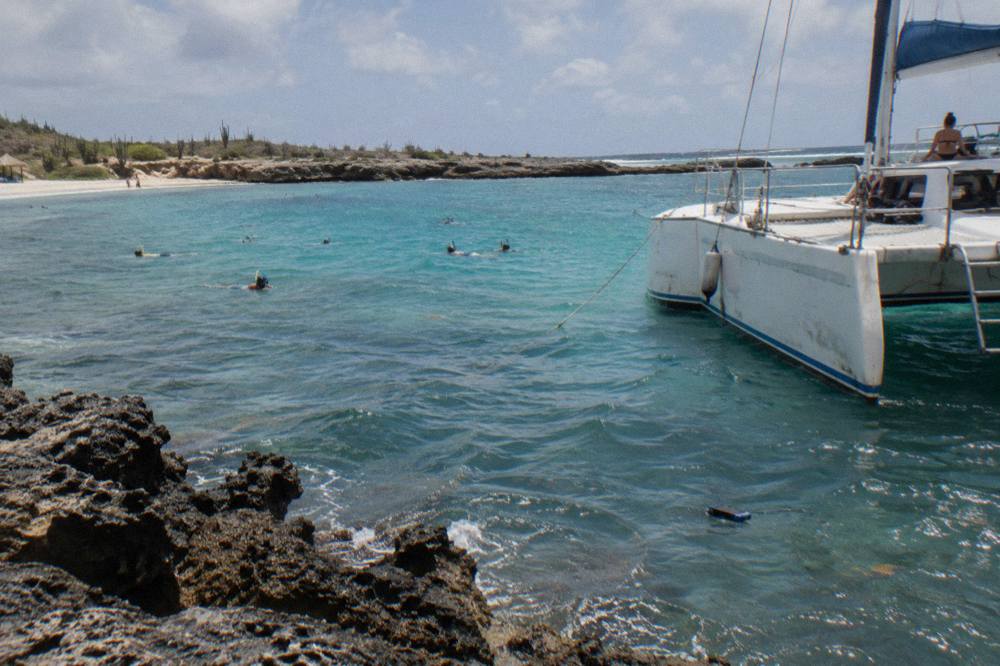
Aruba's snorkeling identity is built on three things: the Antilla shipwreck, a chain of shallow reef and bay stops along the sheltered northwest coast, and a large catamaran fleet that makes wreck snorkeling a half-day event rather than a dive certification project. Boca Catalina, Arashi Beach and Tres Trapi anchor the reef side of that mix.
The Antilla is the headline act, and it earns it. The wreck is shallow enough at its upper reaches that snorkelers floating on the surface can see the structure clearly, while the hull's scale gives the site a drama that few pure reef stops can match. Almost every serious snorkel sail on the island includes it. The island's tour comparison pages note that most catamaran snorkel trips visit the Antilla paired with a reef or bay stop such as Boca Catalina, typically spending about 45 minutes in the water at each.
The second stop matters more than first-timers expect. Boca Catalina is a small, protected bay with calm water and concentrated reef fish; Arashi Beach adds turtles and stingrays to the mix on lucky days; Tres Trapi, listed on several turtle-focused tours, is a shallow stone-step entry point where green turtles feed over seagrass. None of these are deep or technical sites, which is the point. Aruba's snorkeling is designed to be accessible from the surface, in warm water that holds around 79 to 83 degrees year-round.
The third pillar is access. Most Aruba catamaran tours board at the Palm Beach piers in Noord, in front of the high-rise hotels, a short walk from many resorts and roughly 15 to 20 minutes by taxi from the Oranjestad cruise terminal. That density of departures creates real competition on price and inclusions. The Dolphin Catamaran Snorkel and Sail, for instance, runs about three hours from the Delphi Watersports beach in front of the Hyatt Regency, includes drinks and snorkel gear, stops at the Antilla and Boca Catalina, is rated 4.8 across 2,894 reviews, and starts from $69 per person. That combination of price, review depth and wreck access is hard to beat anywhere in the southern Caribbean.
What Makes Curacao Snorkeling Distinct?
Curacao's strength is shore access and still water. Its leeward south coast is lined with sheltered bays where reefs start close to the beach, so snorkelers can enter directly from sand without a boat, a schedule or a group, and the island's reputation for calm conditions makes it forgiving for beginners and children.
Where Aruba organizes snorkeling around a sailing day, Curacao organizes it around a car and a mask. The classic Curacao rhythm is to pick a bay in the morning, swim out over a house reef, and repeat at a second bay after lunch. Curacao's appeal runs through its calm south-coast bays and house reefs, though our research here covers Aruba's side of the comparison only, something Aruba's busier resort beaches do not quite replicate.
The trade-off is bundling. Curacao's snorkeling is more self-directed, which is a gift for independent travelers and a chore for anyone who would rather have a captain, an open bar and a crew handing them fins. Guided boat snorkeling exists on Curacao, but it is not the dominant format the way catamaran snorkel sails dominate Aruba's Palm Beach pier lineup.
For travelers weighing the two islands as a pair rather than a choice, it is worth remembering how close they are, a question covered in detail in how long the boat ride is from Aruba to Curacao. Some visitors split a two-week trip between them, taking the catamaran wreck sails in Aruba and the quiet bay swims in Curacao.
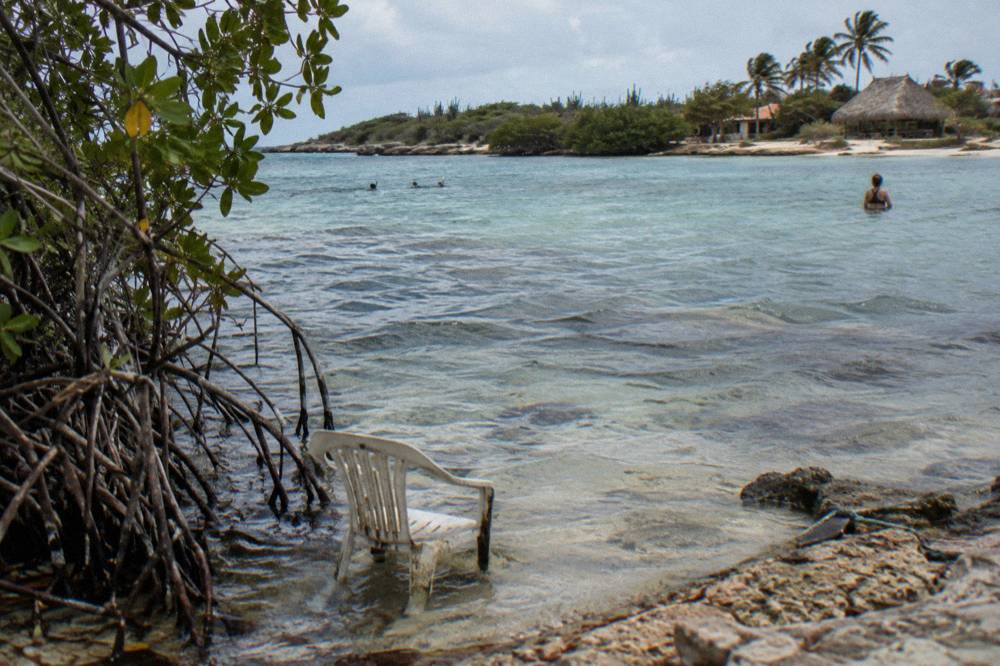
A fair summary: Curacao rewards patience and independence, Aruba rewards people who want the reef brought to them. If your ideal snorkeling day involves a deck, music and a cold drink between stops, Aruba is the better fit.
How Do The Two Islands Compare On Cost And Access?
Aruba's boat snorkeling runs from $63 to $124 per person for shared catamaran tours of roughly 2.5 to 4 hours, most including gear, drinks and often food. Curacao's costs skew toward rental gear and bay parking since entry is free, making it cheaper for self-guided days and pricier only if you book guided boat trips.
The Aruba figures below come from current tour pricing and show how much format drives cost: a two-and-a-half-hour sail with drinks and gear sits under $70, while a four-hour trip adding lunch, multiple wrecks and reef stops reaches $124.
| Aruba catamaran snorkel tour | Duration | Price | Included | Rating |
|---|---|---|---|---|
| Arusun Catamaran Sail with Snorkeling | ~2.5 hours | from $63 per person | drinks, gear | 4.8 across 2,683 reviews |
| Dolphin Catamaran Snorkel and Sail | ~3 hours | from $69 per person | drinks, gear | 4.8 across 2,894 reviews |
| Banana Adventure Shipwreck Snorkel and Turtle Swim | ~3 hours | from $65 per person | drinks, meal, gear | 5 across 231 reviews |
| Antilla Shipwreck and Catalina Bay Snorkel Sail | ~3 hours | from $79 per person | drinks, gear | 4.7 across 554 reviews |
| Half-Day Snorkel Sail Tour with Caribbean Lunch | ~4 hours | from $107 per person | drinks, meal, gear | 4.8 across 860 reviews |
Against that, Curacao's budget math is different in kind. Shore snorkeling at Aruba's own Boca Catalina is free with your own gear too, as local guides confirm, with shore access and parking documented for independent snorkelers. So the real comparison is not "Aruba boats versus Curacao beaches" but "how much of your snorkeling do you want packaged." Packaging costs money and buys ease.
There is one Aruba cost quirk worth flagging: private charters are priced per group, not per person. The Private Sunset Catamaran Adventure Cruise runs from $1,800 per group for up to 15 guests, and the Private Catamaran Adventure Cruise with rope swing and water slide from $2,500 per group for up to 15. Split across a full group those numbers change character entirely, but never divide them into a per-person figure.
Which Island Suits Your Snorkeling Style?
Choose Aruba if you want wreck snorkeling, a party-adjacent sailing atmosphere, easy cruise-port access and all-inclusive boat days. Choose Curacao if you snorkel from shore, value still, shallow bays, are traveling with very young children, or want to snorkel on your own schedule rather than a departure time. If you're weighing more than just the snorkeling, the full Aruba versus Curacao island comparison helps you pick the island that fits your whole trip.
Style questions decide this matchup faster than any statistic. A few honest profiles:
Travelers who should lean Aruba are those staying on Palm Beach or Eagle Beach, since the pier density means a catamaran snorkel sail is minutes from the lobby. Aruba's west coast beaches sit on the sheltered leeward side of the island, and several catamaran piers, from Pelican to Hadicurari, line the Palm Beach stretch, so the beach day and the snorkel day stack neatly. Cruise passengers on short calls also favor Aruba, because the shared catamaran trips compress a wreck, a reef and an open bar into roughly three hours within a short taxi ride of the terminal. More of these guides are collected on Aruba Catamaran Tours.
Travelers who should lean Curacao are snorkelers who have done the group-boat thing and found the schedule constraining, families with toddlers for whom a calm bay and a sand entry beat a swim ladder, and photographers who want long, slow, shallow sessions over busy reef sections without a crowd in the frame.
Both islands operate under the same regional etiquette, and it matters for the comparison because Aruba's wrecks and Curacao's bays are both living reef systems. Aruba's visitor code of conduct is explicit: do not feed marine life, do not touch or stand on coral, and leave starfish in the water, per the official island guidance. And since 1 July 2020, Aruba law has prohibited the import, sale and distribution of sunscreens containing oxybenzone, with fines that can reach Afl. 10,000, so pack a zinc oxide or titanium dioxide formula either way.
Whichever island you pick, the Aruba-based reader preparing for a wreck day will find a fuller rundown in the guide to Aruba's best snorkeling by boat, which breaks down every stop, pier and inclusion.
What Do Aruba Catamaran Snorkel Tours Actually Include?
Most shared Aruba catamaran snorkel tours include snorkel gear, an open bar and a licensed crew, with many adding a meal on longer trips; many tours here include drinks, and nearly all allow free cancellation, but specifics like towels, transfers and age minimums vary by trip, so check the booking page for the details that matter to your group.
The pattern across the fleet is remarkably consistent: gear and drinks are effectively standard, food correlates with duration. The three-hour Banana Adventure Shipwreck Snorkel and Turtle Swim, rated 5 across 231 reviews from $65 per person, includes a meal despite its mid-range length, while the four-and-a-half-hour turtle and shipwreck BBQ trips from Spronk-style southern departures include a full barbecue dinner. Shorter sails in the two-and-a-half-hour range typically stop at drinks and snacks.
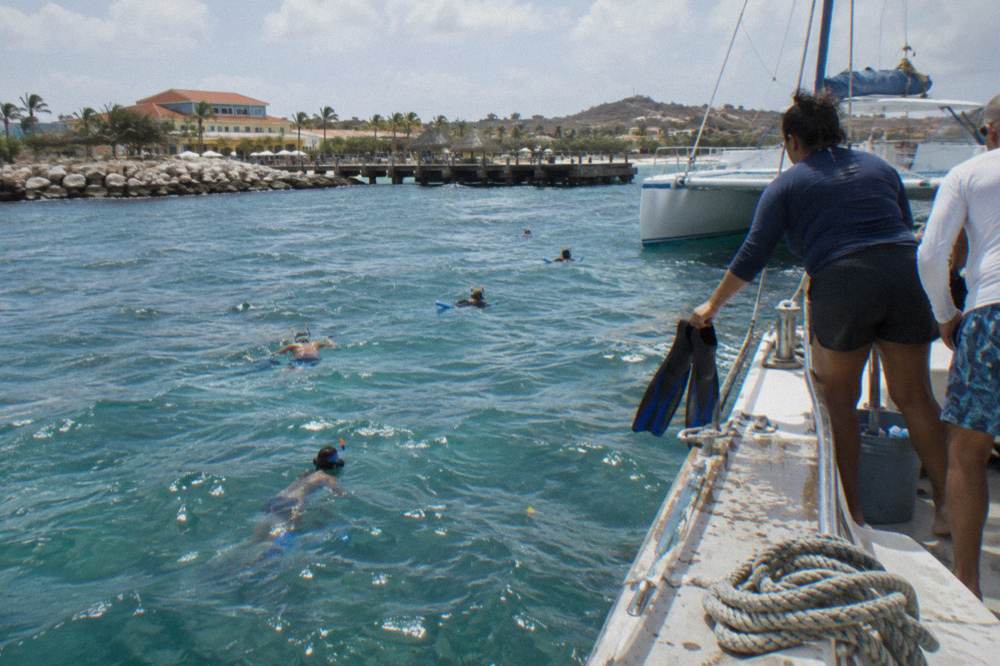
What is rarely included, and worth budgeting for: towels, gratuities and transfers on most departures. Tipping the crew in cash is customary and almost never bundled into base pricing. Check-in is typically 30 minutes before departure, and a valid ID is the norm for boarding, but treat both as per-trip details rather than rules; the booking page for each individual tour states its own requirements.
One inclusion question Curacao-bound readers should not assume: shore-access sites there are free, but rented gear, locker fees and beach-club chairs add up over a week, and those small costs never appear in island price comparisons. The Aruba catamaran model front-loads everything into one ticket. If the all-in-one catamaran ticket sounds like your style, the Eagle Beach versus Palm Beach comparison covers which stretch of sand puts you closest to the departure piers.
If a morning on the water with brunch is your style, this longer option pairs a champagne brunch with wreck and reef stops:
When Is The Best Time To Snorkel On Each Island?
Both islands sit south of the main hurricane belt, outside the storm tracks that shape the rest of the Caribbean, so snorkeling runs year-round; Aruba's calmest stretch is roughly September to November, its most reliable dry season December to April, and mornings beat afternoons on either island because trade winds build chop through the day.
Timing is one place where the two islands converge. Aruba's persistent northeasterly trade winds, strongest roughly February to July, whip up the exposed east coast but leave the leeward west coast snorkelable most of the year. Local operators consistently report that morning departures offer the flattest, clearest water, while afternoon slots carry more chop, which is why the morning snorkel sails book first. The same logic applies to Curacao's bays: glassy before ten, textured by early afternoon.
For Aruba specifically, September through November is described by local tour guides as the calmest sea state of the year, falling at the tail of the Atlantic hurricane season that runs 1 June to 30 November. Aruba lies south of the main belt and direct impacts are rare, so the season matters more as a value window than a risk window. December to April brings the dry, steady-conditions peak that pairs high demand with dependable water.
Practical takeaways for planning a trip around snorkeling: book morning departures, treat the shoulder months as the value play, and remember hurricane season ends 30 November, so late-fall trips benefit from settled seas without high-season pricing. Weather always varies; no operator can promise a flat sea or a turtle, and any tour that implies otherwise is overselling.
For a compact wreck-and-reef afternoon in that calm window, this one covers the two classic stops:
The Verdict For Most Travelers
For most travelers choosing one island, Aruba is the better snorkeling destination if the question really means "where is the better snorkeling day," because its catamaran fleet, the Antilla wreck and the density of competitively priced tours deliver more memorable water time per vacation day. Curacao wins only when still-water shore snorkeling is the priority.
Read the question carefully before answering it. Snorkeling quality, meaning water clarity, fish density and reef health, is genuinely good on both islands, and honest comparisons end in a draw at the site level. What separates them is everything around the mask. Aruba wraps its snorkeling in a sailing culture: a catamaran with an open bar and snorkel stops along the way, a wreck the length of a football field sliding beneath the hull. Curacao wraps its snorkeling in solitude and flexibility: an empty bay at eight in the morning, a reef that starts at your fins, nobody's schedule but yours.
If you are building a first Caribbean trip and want the highest-probability great day on the water, Aruba's track record is simply deeper, with the most-reviewed snorkel sails on the island carrying thousands of reviews and ratings in the high 4s. If you are a repeat Caribbean visitor who has already done the party sail, Curacao's quiet bays will feel like the upgrade.
And if the answer is "both," that is a legitimate plan too. These are the three Aruba snorkel sails that best represent what the island does differently:
Common Questions About Aruba And Curacao Snorkeling
Is Snorkeling Better In Aruba Or Curacao?
Aruba is better for boat-based snorkeling centered on the Antilla shipwreck, with shared catamaran tours from $63 per person including gear and drinks. Curacao is better for calm, sheltered bays with direct shore entry and independent snorkeling on your own schedule. Pick Aruba for the sailing day, Curacao for the quiet swim.
Can You Snorkel The Antilla Shipwreck From The Surface?
Yes. The Antilla lies on its port side with shallow sections around 15 feet deep and the seabed at about 60 feet, so surface snorkelers can see the structure clearly without diving. Nearly every catamaran snorkel tour on Aruba includes it as a stop, typically paired with Boca Catalina.
Which Island Is Calmer For Beginner Snorkelers?
Curacao's sheltered south-coast bays are generally the calmest, easiest environments for nervous first-timers, since entry is from sand in still water. Aruba's west coast is also well protected and its tours supply gear, crew and flotation, so guided beginners do well there too. Morning conditions are flattest on both islands.
How Much Does A Snorkel Catamaran Tour In Aruba Cost?
Shared Aruba catamaran snorkel tours run from $63 to $124 per person for roughly 2.5 to 4 hours, with drinks and snorkel gear standard and meals included on longer trips. Private charters are priced per group, from $1,800 to $2,500 per group for up to 15 guests, and are never quoted per person.
Do I Need Reef-Safe Sunscreen In Aruba?
Yes, and it is a legal matter, not a preference. Since 1 July 2020, Aruba prohibits the import, sale and distribution of sunscreens containing oxybenzone, with fines up to Afl. 10,000. Bring a mineral formula with zinc oxide or titanium dioxide for Curacao as well, since the same reefs face the same pressures.
Is Snorkeling Free From Shore In Aruba Like In Curacao?
Yes, at several sites. Boca Catalina, Arashi Beach and other public beaches along Aruba's coast are free to access with your own gear, much like Curacao's bays. The difference is that Aruba's signature site, the Antilla wreck, sits offshore and is reached by boat, which is what the catamaran tours exist for.