Best Time To Visit Aruba For Catamaran Tours
Weather and sea conditions decide the sail. This guide breaks down Aruba's months, wind patterns, prices and crowds so you can pick the right week for a catamaran tour.
Short answer
December to April brings Aruba's most reliable sea conditions, with dry weather and steady light trade winds, while September to November offers the calmest seas of the year at lower shared-sail prices. Catamaran tours run year-round, from $50 per person on the Banana Adventure tropical sunset sail to $199 for a four-and-a-half-hour champagne and lobster sail.
Aruba sits well south of the main Atlantic hurricane belt, and that single geographic fact shapes almost every recommendation in this guide. The island's leeward west coast, where nearly every catamaran boards, is sheltered from the northeasterly trade winds that blow past the exposed eastern shore. That is why catamaran tours here run every month of the year, a fact worth knowing when you plan a catamaran trip.
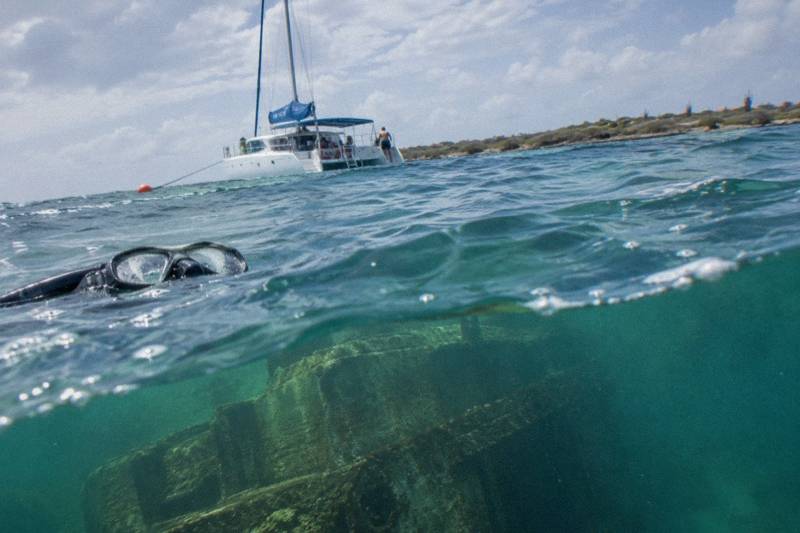
The trade-off is subtle. Wind, sea state, price and crowd levels each move on their own calendar, and the month that gives you the cheapest ticket is not always the month that gives you the glassiest water over the Antilla shipwreck. The Aruba Catamaran Tours season guide below separates those calendars so you can match the trip you want, whether that is a two-hour sunset sail from $59 per person or a four-and-a-half-hour turtle snorkel with barbecue dinner at from $119 per person.
When Is The Best Time To Visit Aruba Overall?
The best overall window for a catamaran tour in Aruba is December to April, when dry weather and light, steady trade winds produce the island's most reliable sailing conditions, though September to November delivers the calmest seas of the year at shoulder-season prices. December through April is also high season, which means bigger crowds on shared boats and higher hotel rates. Travelers who prioritize water clarity for snorkeling the Antilla shipwreck often prefer the calm shoulder months, when the wind eases and the surface flattens. Travelers who prioritize dependable sunshine and a lively boat lean high season. Neither choice is wrong; they optimize for different things. If you're still wondering how these boats hold up when conditions turn, our plain-English guide to catamarans in rough seas covers Aruba's typical water behavior and how operators make the call when weather shifts.
Aruba's sea temperature holds between about 79 and 83 Fahrenheit all year, so cold water is never the deciding factor. What varies is the wind. Trade winds blow from the northeast throughout the year and strengthen roughly from February to July, which builds afternoon chop on the open water even though the west coast departure piers stay sheltered. The pattern matters most for snorkel stops, where surface chop reduces visibility at the wreck and the reefs.
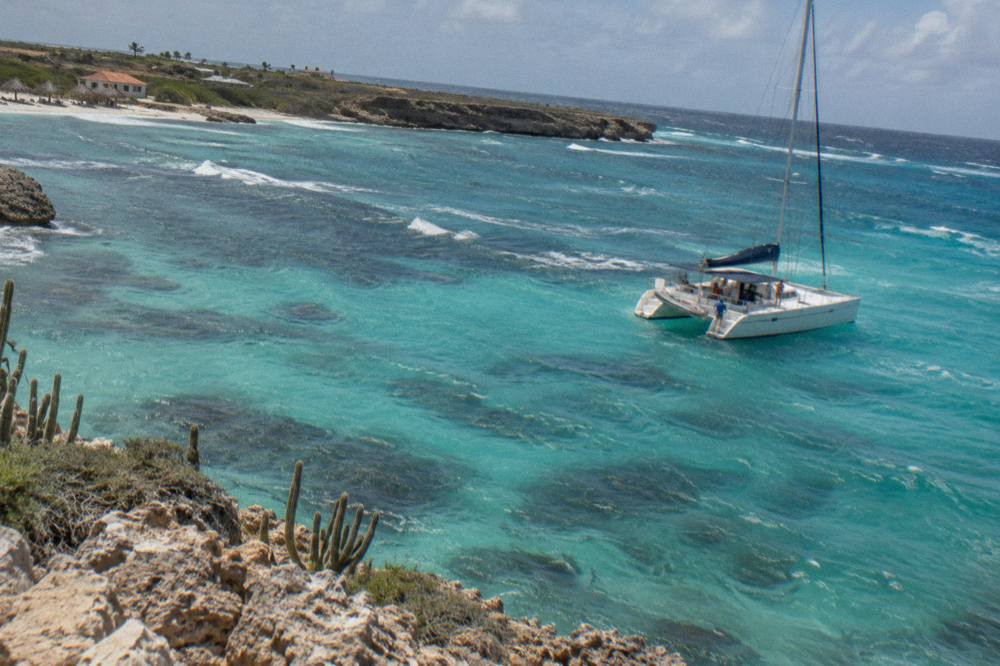
Crowds follow the North American winter. January through March fills the high-rise hotels along Palm Beach, and shared catamaran sails fill with them. Summer brings families on school holidays, while September through early December is the quietest stretch on the island's calendar, outside the brief rush around certain holiday weeks.
What Is Aruba Weather Like Month By Month?
Aruba splits the year into a dry, windy high season from December to April, a windy transitional stretch from February to July when trade winds peak, and a calmer, warmer shoulder period from August through November when seas flatten and prices soften. The month-by-month table below focuses on what each period means for a boat day rather than for a beach day, because wind that feels pleasant on shore builds chop on the water. Rain, by contrast, is rarely the story here; Aruba is dry by Caribbean standards in every month.

| Months | Wind and sea pattern | What it means for a catamaran tour |
|---|---|---|
| December to January | Dry, steady light winds, calmer than spring | Reliable sailing, peak crowds, book early for sunset sails |
| February to April | Dry, trade winds strengthening toward their peak | Steady conditions, more spray and chop in the afternoons, excellent for sailors who like wind |
| May to July | Strongest trade winds of the year, roughly February to July overall | Afternoon sails feel the chop most; morning snorkel departures are the better pick |
| August | Winds begin to ease, seas warm | A quiet month with softer conditions before the calm season |
| September to November | The calmest seas of the year, warmer water | Flattest water for wreck snorkeling, lowest crowd pressure, shoulder pricing |
A practical reading of that table: if your priority is snorkeling the Antilla, the Antilla is a 398-foot German cargo ship scuttled in 1940 that lies on its port side in water reaching about 60 feet at the seabed, the September to November window gives you the best chance of flat surface conditions over the wreck. If your priority is a dry, sunny week in the middle of a northern winter, December to April delivers it, and the sheltered west coast keeps the sail comfortable even when the wind is up.
The timing logic in this table draws on conditions reporting for Aruba catamaran cruises and seasonal snorkeling analysis for the island.
Three trips cover the seasonal spread well. The Dolphin Catamaran Snorkel and Sail with Open Bar, rated 4.8 across 2,894 reviews, from $69 per person for about three hours, is the flexible daily option that works in any month. The Sunset Catamaran Sail with Appetizers and Open Bar, rated 4.5 across 2,407 reviews and from $92 per person, is the high-season evening pick when you want the coast at golden hour. The Half-Day Snorkel Sail Tour with Caribbean Lunch, rated 4.8 across 860 reviews and from $107 per person for about four hours, is the calm-season choice, pairing the Baboo wreck, Malmok Reef and Boca Catalina with a hot meal on board.
When Are Aruba Seas Calmest For Snorkeling?
Aruba's seas are calmest for snorkeling between September and November, when overall conditions stay at their flattest. Within any given day, the water is calmest and clearest on morning outings, since the trade winds tend to build chop across the surface through the afternoon. The two effects stack. An October sail tends to find the year's gentler surface over the reefs; a June trip meets water roughened by the stronger trade winds of February through July. Neither is dangerous on the sheltered west coast, but visibility at the snorkel stops tracks the surface state closely.
The reason is simple: afternoon slots usually carry more chop on the water, so the same stretch of water can look glassy at 9 am and rippled by 3 pm. That is why several morning trips, like the Morning Snorkel Sail with Premium Champagne Brunch, about four hours, rated 4.7 across 2,238 reviews, from $85 per person, sail at the start of the day. The calm-season logic is explained in detail in the Aruba sea conditions and hurricane season guide, which covers wind, swell and water temperature across the calendar.
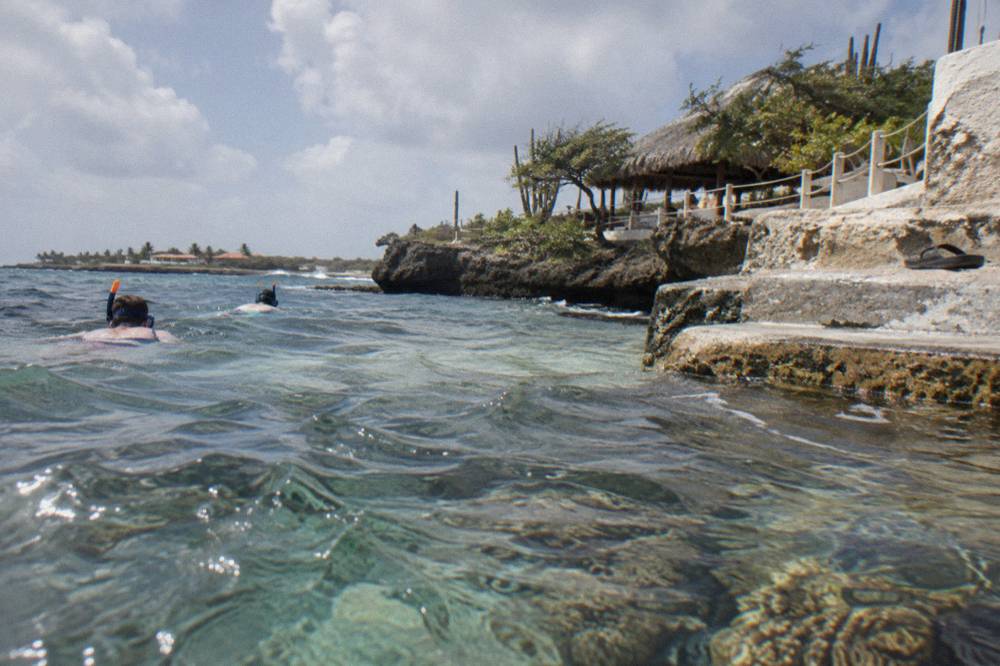
Wildlife timing matters here too, and it is the one area where no operator can promise anything. Several trips list Tres Trapi among their stops, including the Sail and Snorkel with Turtles at WW2 Shipwreck tours, about four and a half hours, rated 4.6 across 379 reviews and from $119 per person. Operators report turtle sightings there regularly, but sightings depend on the animals, not the calendar. Treat any wildlife mention on a booking page as a possibility, never a commitment.
| Departure window | Typical sea state | Best suited to |
|---|---|---|
| Morning, September to November | Calmest combination of the year | Wreck snorkeling, photography, first-time snorkelers |
| Morning, February to July | Flat early, wind building by late morning | Snorkel trips that finish before the afternoon breeze |
| Afternoon, any month | More chop from building trade winds | Sails where the coast and the boat are the point |
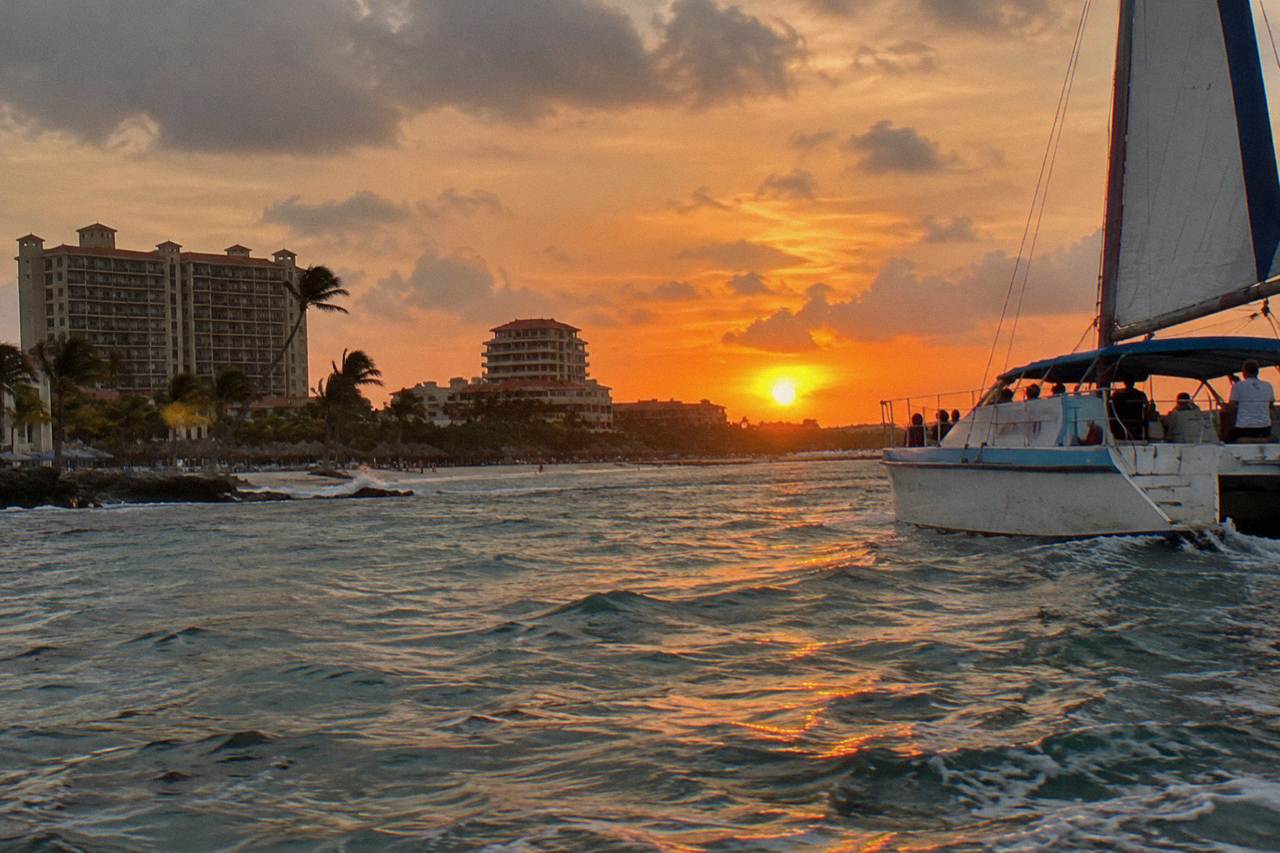
The Banana Adventure Catamaran Tropical Sunset Sail, about two hours, rated 5 across 141 reviews and from $50 per person, illustrates the sunset logic: by late afternoon the wind frequently softens, and the Palm Beach to Eagle Beach coast turns into the quietest, warmest light of the day. That trip is one of the least expensive catamaran experiences on the island, and it works in every season.
Is Hurricane Season A Bad Time To Sail In Aruba?
Hurricane season in the Atlantic runs from 1 June to 30 November, but Aruba lies south of the main storm belt and direct impacts are rare, so the season overlaps with some of the island's calmest and cheapest sailing months rather than shutting them down. This is the single most misunderstood part of Aruba's calendar. Travelers who write off June through November because of the words "hurricane season" skip the September to November window that experienced snorkelers actively seek out. Hurricane season runs June through November, but Aruba sits on the southern fringe of the belt and direct hits are rare, with minimal impact on the island.
The honest framing is one of probability, not certainty. Aruba's southern position means the storms that track through the central Caribbean usually pass well north of the island. The trade-off for that protection is not zero risk, it is simply very low risk, and the practical safeguard is the free cancellation that nearly every listed shared catamaran trip carries. If a weather system did disrupt your week, a cancelled departure is a refund or a rebooking, not a lost payment.
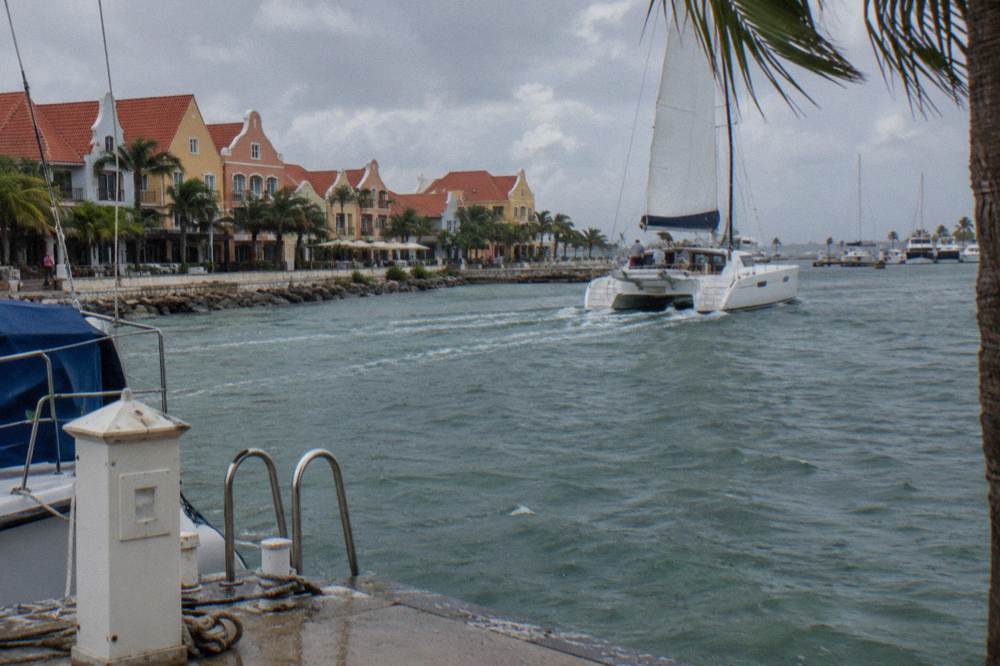
September through November also happens to be when the sea flattens most, as the island's seasonal travel guidance confirms. The combination of quiet water, thin crowds and shoulder pricing is why the calmest months are also, for many returning visitors, the best months. The best time to visit guide logic carries into booking advice for cruise passengers too, whose port days cannot be rescheduled and who benefit most from morning departures in any season.
When Is High Season For Catamaran Tours In Aruba?
Aruba's high season for catamaran tours runs roughly from mid-December through mid-April, when North American winter drives the island's largest crowds. Shared catamaran sails fill fastest in the weeks around Christmas, New Year, and the February and March school breaks, making those stretches the busiest of the year. In this window the island's inventory of boat seats is at its tightest, and the most reviewed trips, the ones with thousands of reviews behind them, are the ones to check first for prime sunset slots. The weather is reliably dry and the mood on board is lively, which is exactly what many travelers are buying.
The crowd math is simple. A boat that feels spacious on a lightly booked day feels different when it sails full, and shared sails in high season run closer to their limits. If you are traveling between Christmas and New Year, or during the spring break weeks, the strongest advice in this entire guide applies: book before you fly. The Palm Beach marinas and departures guide explains which piers serve which trips, useful when your hotel is a short walk from one boarding point and a taxi ride from another.
High season prices on the boats themselves move less than hotel prices do. What moves is availability. The charters feel it most: a private sunset charter like the Private Sunset Catamaran Adventure Cruise, about two hours, from $1,800 per group for up to 15 guests, books the whole boat for a single group, and a December date is better settled early than left to chance.
The same scarcity logic applies in softer form to the big shared trips. The Sunset Catamaran Sail with Appetizers and Open Bar from Piet's Pier Bar carries the largest review pool among sunset options, 2,407 reviews at 4.5, which signals sustained demand. Demand of that size plus December crowds equals early booking, and the free cancellation terms on these trips mean booking early costs you nothing if plans shift.
When Is The Cheapest Time To Sail In Aruba?
The cheapest time to sail in Aruba is the September to November shoulder, when crowd pressure drops and shared catamaran trips hold their from-prices against thinner boats, while the lowest sticker prices on the calendar, from $50 per person, exist year-round on shorter sunset sails. There are two different kinds of "cheap" here and they get confused. The first is the absolute floor: the Banana Adventure Tropical Sunset Sail at from $50 per person for about two hours is the least expensive catamaran trip on the island, in any month. The second is value: shoulder-season dates put fewer strangers on the same boat for the same price, with calmer water as a bonus. If those shoulder-season dates raise questions about storms, our guide to Aruba safety for American travelers explains what hurricane season actually means for the island and for your day on the water.
The price ladder across the shared fleet runs from that $50 floor to $199 per person for the Spronk champagne and lobster sails, with the bulk of snorkel trips clustered between $63 and $119 per person. The Dolphin Catamaran Snorkel and Sail with Open Bar, from $69 per person, rated 4.8 across 2,894 reviews, departs the Delphi Watersports beach in front of the Hyatt Regency and lists the Antilla Shipwreck and Boca Catalina as its stops; it is the volume benchmark of the fleet and a good anchor point for judging every other price. Read the detailed comparison in how much does an Aruba catamaran tour cost.
| Tour | Duration | From price | Rating and reviews |
|---|---|---|---|
| Banana Adventure Tropical Sunset Sail | ~2 hours | $50 per person | 5 across 141 reviews |
| Dolphin Catamaran Snorkel and Sail with Open Bar | ~3 hours | $69 per person | 4.8 across 2,894 reviews |
| Arusun Catamaran Sail with Snorkeling | ~2.5 hours | $63 per person | 4.8 across 2,683 reviews |
| Sunset Catamaran Sail with Appetizers and Open Bar | ~2 hours | $92 per person | 4.5 across 2,407 reviews |
| Half-Day Snorkel Sail with Caribbean Lunch | ~4 hours | $107 per person | 4.8 across 860 reviews |
Notice what the table does not show: a seasonal surcharge. The listed from-prices show no seasonal surcharge, and the money you save in shoulder season comes from hotels and airfare, plus the intangibles, empty deck space and quiet snorkel sites. One caution on discounts: never treat a struck-through price on a booking page as a real reference point, from-prices move and yesterday's list price is marketing, not math.
For budget travelers the formula is short. Sail in September to November if you can, pick a two-hour sunset trip from $50 to $59 per person if you want the cheapest boat time, or a snorkel sail of two and a half to three hours, $63 to $69 per person if you want the wreck and the open bar. Add the free shore alternative: Boca Catalina is free to snorkel from the beach with your own gear, a useful backup for a day when the budget is spent.
Which Time Of Day Is Best For A Catamaran Sail?
Morning departures give you the flattest, clearest water for snorkeling; sunset departures give you the softest light, the calmest wind of the evening and the warmest air; afternoon departures trade some surface chop for the longest, most social trips with meals on board. The choice is really about what the boat is for. A wreck snorkel is a morning activity. A celebration with drinks is a sunset activity. A long social afternoon with lunch, like the turtle and barbecue trips that run four and a half hours, sits between the two and absorbs the afternoon breeze as part of the experience.
The pattern repeats in every month, but it bites hardest from February to July when the trade winds are at their strongest. In those months the gap between a 9:30 am surface and a 2 pm surface is the gap between glass and texture. If you are committed to an afternoon trip in spring, choose one where the boat itself is the attraction: the Afternoon Snorkel Sail aboard the Palm Pleasure catamaran, about three hours, rated 4.6 across 331 reviews, from $90 per person, keeps the mood light even when the wind is up. The deeper day-planning detail lives in what to bring on an Aruba catamaran, including the reef-safe sunscreen point below.
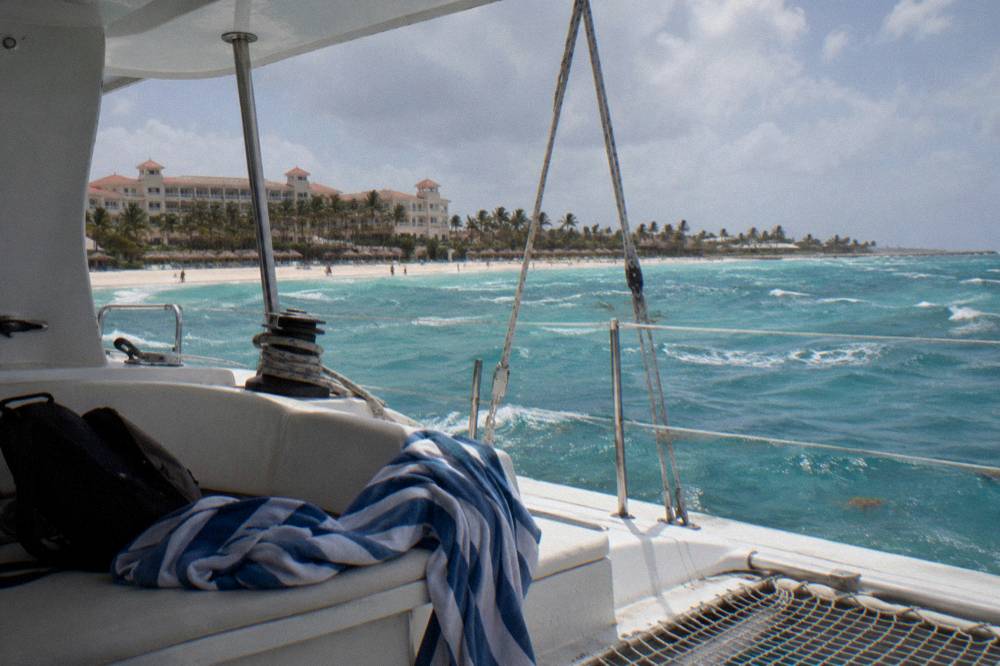
One seasonal wrinkle affects sunset timing itself: the departure clock shifts through the year, and exact sunset times vary by month, so never assume the time printed in a review from another season still applies. Operators shift their start times to follow the light, and the booking page for your date shows the current slot. The Aruba sunset time by month guide covers the pattern.
How Far Ahead Should You Book An Aruba Catamaran Tour?
Once your travel dates are set, book shared catamaran tours as early as you can, and book any private charter or holiday-week sunset sail as soon as your dates are fixed, because charter boats have exactly one departure per slot. The free cancellation on nearly every shared trip removes the risk of booking early: if your plans change or the forecast turns, you cancel or rebook without losing the payment. Waiting, by contrast, carries the only real cost in this market, which is the sold-out sunset.
The exceptions deserve emphasis. Between Christmas and New Year, during the February and March break weeks, and around Easter, the prime evening slots on the most reviewed boats go first. If your trip includes one of those weeks and you want a specific sunset sail, book it the same day you book flights. Private charters follow the same rule with less flexibility: the Private Catamaran Adventure Cruise with Rope Swing and Water Slide, about three hours, from $2,500 per group for up to 15 guests, is one boat with one afternoon, and groups booking it in December weeks months ahead are the norm.
Practical packing notes close the booking question. Bring mineral sunscreen: Aruba law has prohibited the import, sale and distribution of sunscreens containing oxybenzone since July 2020, and mineral formulas with zinc oxide or titanium dioxide are the recommended choice for reef stops, a rule summarized in the legal summary of Aruba's plastics and sunscreen ban. Towels are rarely provided on board, cash for crew tips is customary, and check-in is typically about 30 minutes before departure. Details the booking page does not state, from minimum ages to life-jacket policy, are answered only there, so check the page for your specific trip.
The short version of the whole season: December to April for reliable dry weather and lively boats, booked early. September to November for the calmest water and the emptiest decks. February to July for wind lovers and morning departures. Any month for the sunset, because the coast between Palm Beach and Eagle Beach does not have an off season.
Common Questions About The Best Time To Visit Aruba
When Is The Best Time To Visit Aruba?
December to April for dry, reliably sunny weather and steady light trade winds, or September to November for the calmest seas of the year and thinner crowds. Catamaran tours run year-round, so the choice is between peak conditions with crowds and calm conditions with shoulder pricing.
What Is Hurricane Season In Aruba?
The Atlantic hurricane season runs from 1 June to 30 November. Aruba sits south of the main storm belt and direct impacts are rare, so the season overlaps with some of the island's calmest sailing months rather than closing the water.
Which Months Have The Calmest Seas In Aruba?
September through November deliver the calmest seas of the year, with the flattest surfaces over the snorkel sites. Within any day, mornings are calmer than afternoons because trade winds build through the day.
Is Aruba Windy For Catamaran Tours?
The west coast departure piers are sheltered, but trade winds strengthen roughly from February to July and build afternoon chop on open water. Morning snorkel departures in those months give the clearest, flattest conditions.
When Is The Cheapest Time To Sail In Aruba?
September to November, when the same from-prices buy a boat with fewer passengers. The lowest standing prices, from $50 per person for a short sunset sail, exist in every month.
How Far Ahead Should I Book A Catamaran Tour In Aruba?
Two to four weeks in high season, one to two weeks in shoulder season, and immediately for private charters or holiday-week sunset sails. Most shared trips carry free cancellation, so early booking carries no penalty if plans change.